I have camped all my life in wilderness areas. I have had bears, leopards, spotted hyenas visiting my camps. But what I heard and saw in three days and one night in Kaeng Krachan is another level.
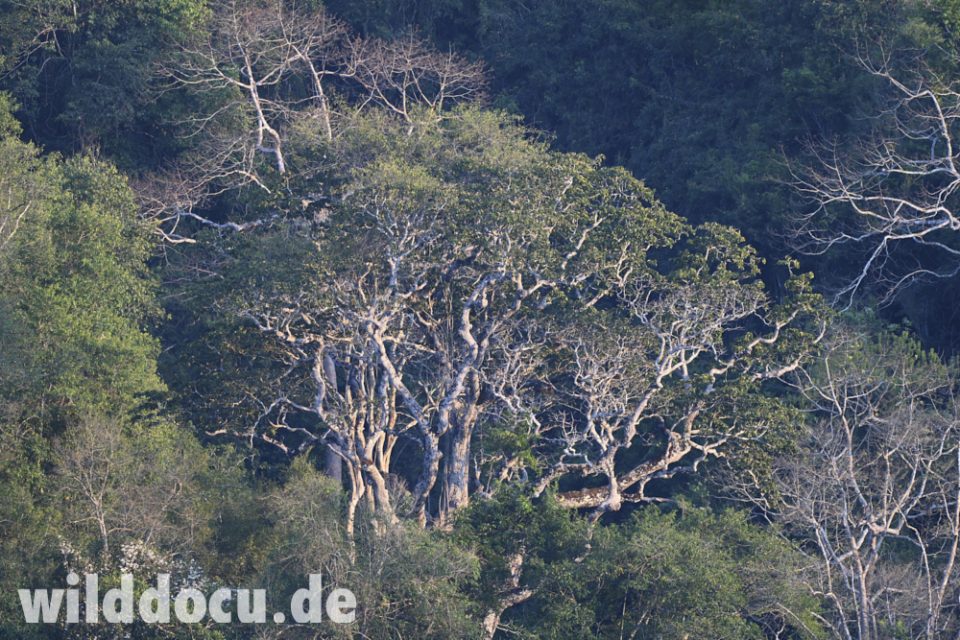
Kaeng Krachan National Park in Thailand is a fantastic area, with large tracts of rainforest and its wildlife remaining. The infrastructure is relatively undeveloped, with only one dead end street transecting the area. Within the park there are only two facilities, where one can spent a night: Ban Krang campsite, and an upper one, Phanoen Thung, which is only accessible by four-wheel drive. They are known for attracting wildlife, which in turn attracts many wildlife lovers. The reasons the animals come are, in short, that they find food there, or perhaps they find protection from their predators (human shield effect).
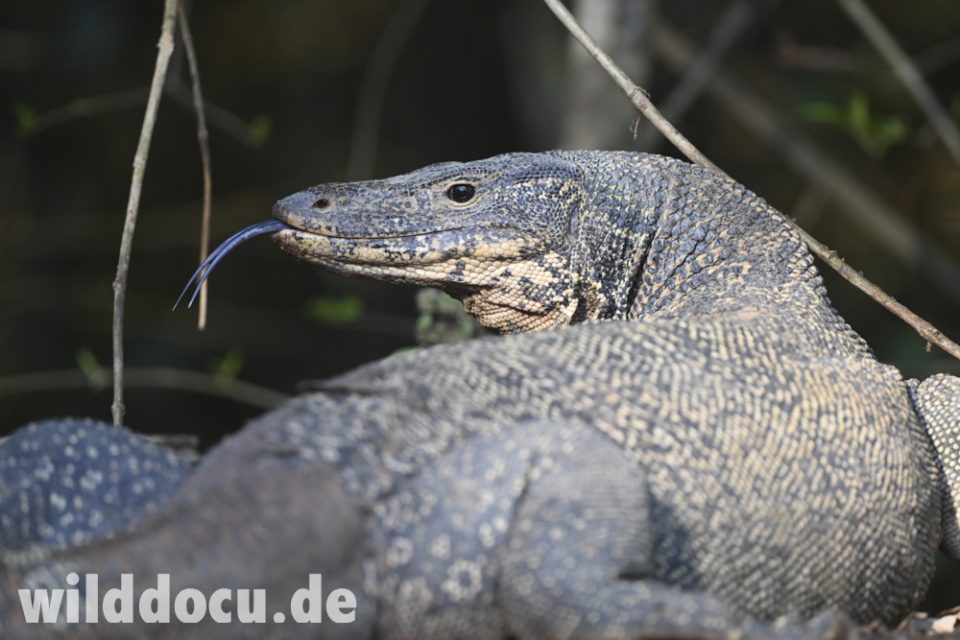
We visit Ban Krang first. There’s a small restaurant there. At the back, facing the forest, waste is dumped, some of it burned. I look around and spot a large monitor lizard In broad daylight, rummaging through the garbage for food. Travel reports indicate that sun bears and pine martens also frequent the area – but not now.
Talking to other guests, who have been here for a while, I learn that elephants have ventured right up to the edge of the campsite in recent days. It was possible to take photos with a mobile phone. The surrounding area is forested. Aside from the campsite itself, there is no open area. The elephants must therefore have been very close to the tents. The most frequent and serious wildlife-human conflicts in Kaeng Krachan National Park in Thailand involve elephants. Most of these likely occur along the road when drivers for example are trapped between the animals and oncoming cars and cannot back up when the elephants approach.
According to my research, no accidents have occurred at the Ban Krang campsite so far. This may be because the elephants that appear here approach people of their own accord, rather than being surprised and frightened by cars coming around the corner. In Khao Yai, however, there have been instances of elephants tearing down tents at campsites to get at food.
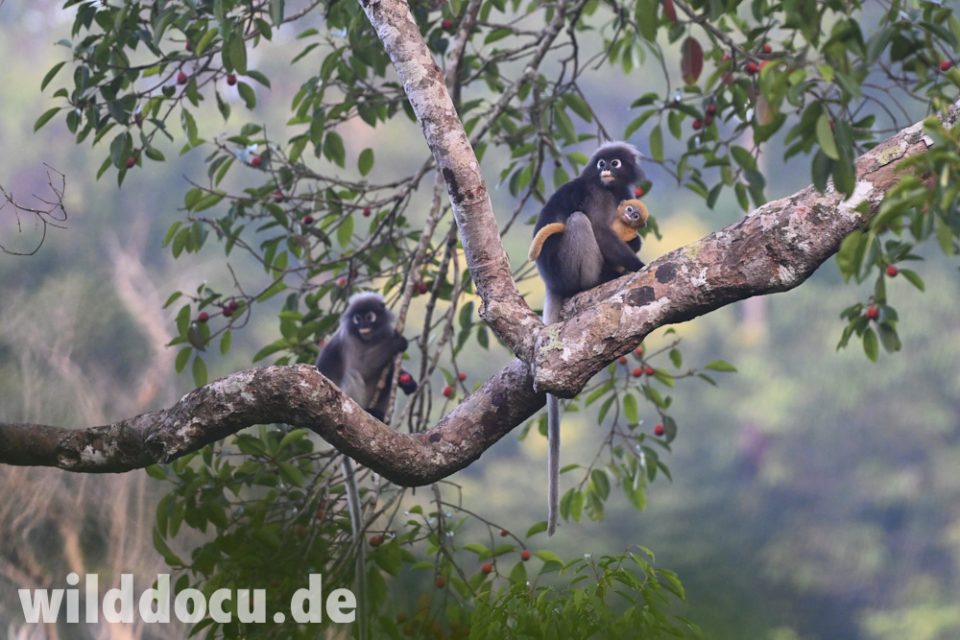
A German couple tells us about a hair-raising encounter with a leopard they had at Ban Krang. They and other campers were standing at the edge of the campsite during the day, photographing langurs. The friendly monkeys were climbing through the branches, mothers were out with their young, and there were plenty of „awws“ and „oh, how cute!“ from the guests when suddenly a leopard leaped out of the bushes and snatched two of the primates. It killed one and dragged the other into the undergrowth. How can this be explained?
It is known that certain animals seek out the vicinity of humans to be better protected from their predators, because these predators avoid humans. This phenomenon is known as the „human shield“ effect. However, it shouldn’t be understood as a static phenomenon. It has to do with learning and adaptation on the part of the prey, but of course, the predators also learn. And here, it’s possible that at least one leopard took advantage of the concentration of langurs and lost its fear of humans. If this should go on, it would certainly not be good to have leopards and humans so close together. In South Africa, electric fences prevent humans and predators from getting too close.
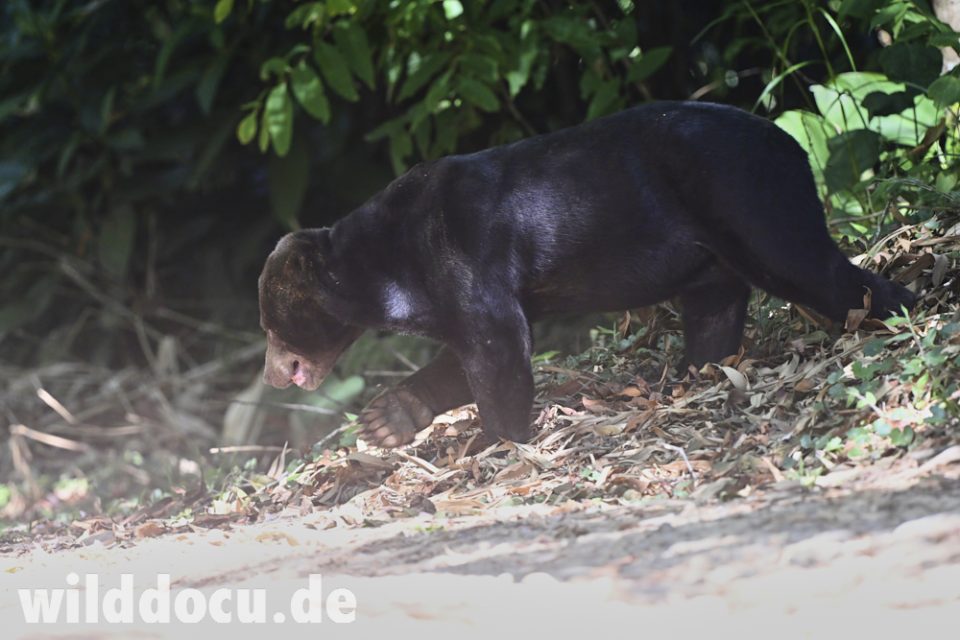
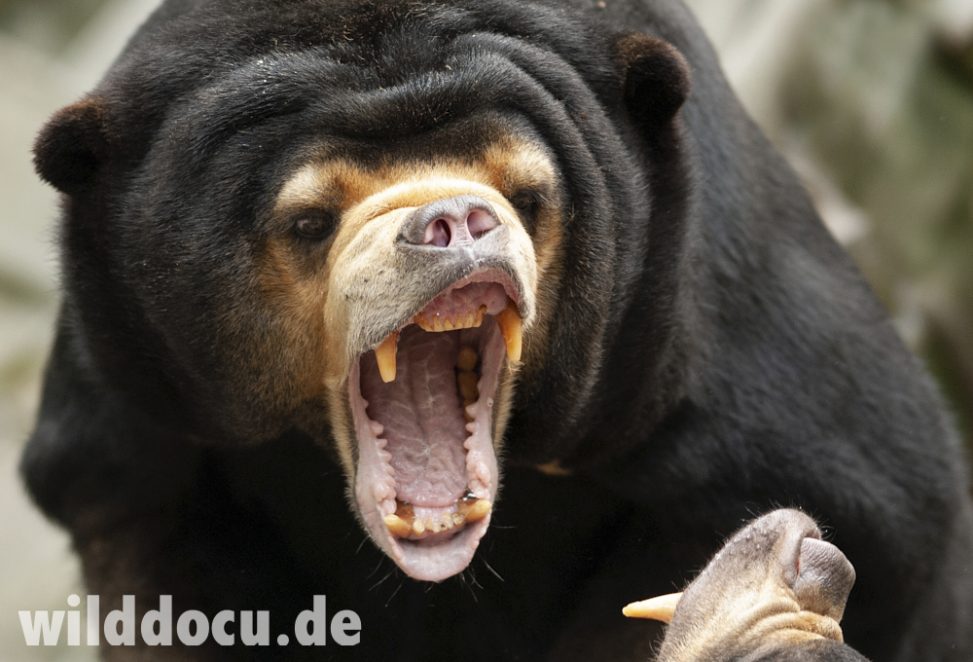
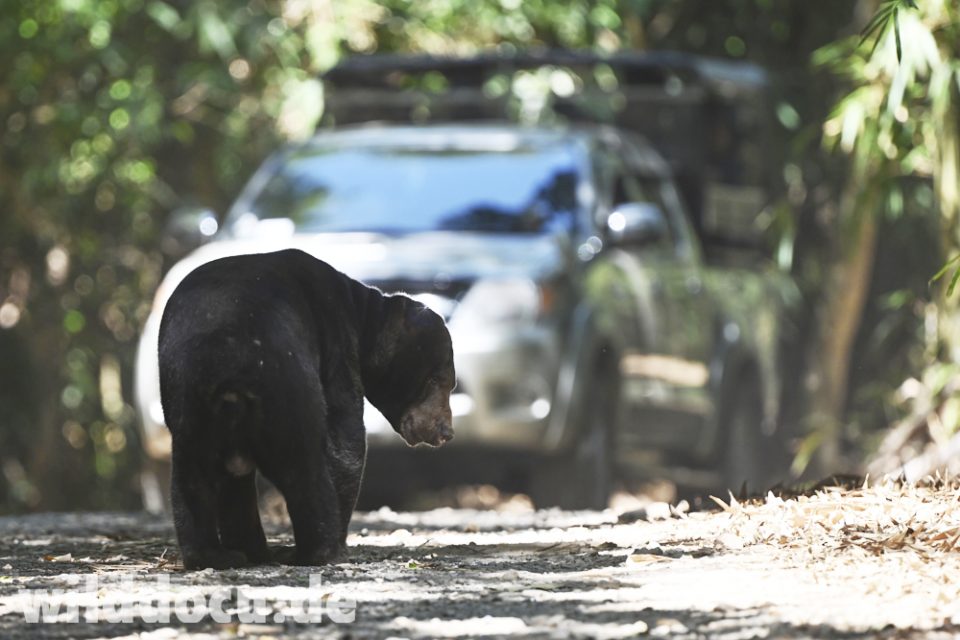
We drive to Phanoen Thung, the upper campsite, in the morning. By midday we have our first encounter with a sun bear. As we later learn, he had already been behind the restaurant kitchen that morning, looking for scraps. Now he is on his way back to the forest, using the forest road. I follow him at a distance of 20 to 30 metres. He fells safe. Then there is a moment when a car approaches, and the bear feels wedged between it and me. He is clearly annoyed. You can easily tell because he repeatedly stamps the ground with both front paws. He is annoyed because he now has to leave the road and take a detour through the forest.
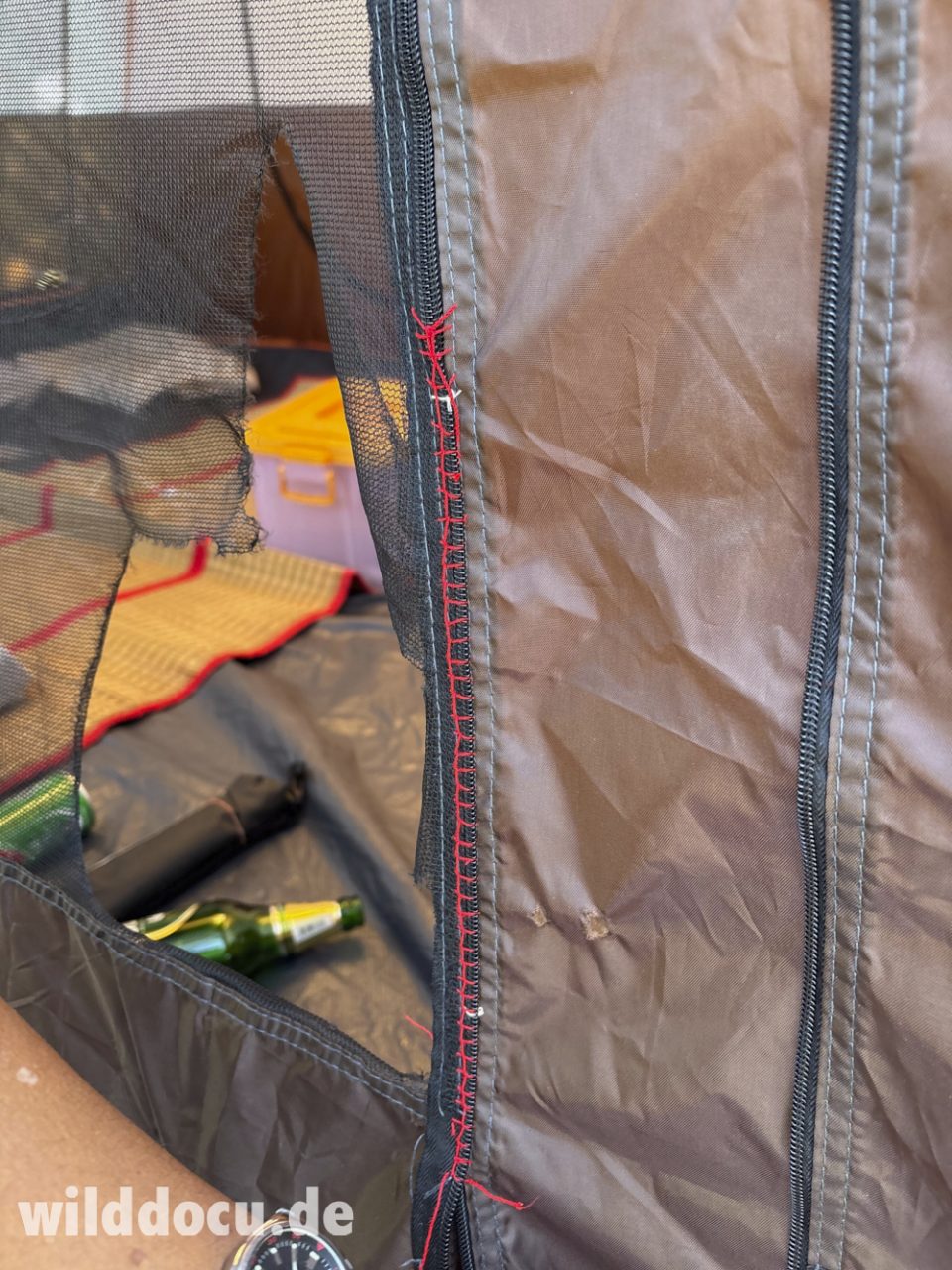
Back at the campsite, I speek with a Thai camper who has been visited by a bear the previous night, presumably the same one. He is sitting in front of his tent, whose door shows rips and holes, which he is now sewing up with red thread.

„Yes,“ he says, grinning, „the bear tried to get into my tent.“ „Yes,“ he says again when I ask him if he had any food in the tent. An empty beer bottle and a can are still lying there. He says he used blows to prevent the bear from getting in. Apparently, he succeeded. He isn’t injured. It’s actually a miracle, considering the teeth and claws that sun bears have.
In the evening, it’s bear time again. We’re already behind the kitchen when the bear arrives.
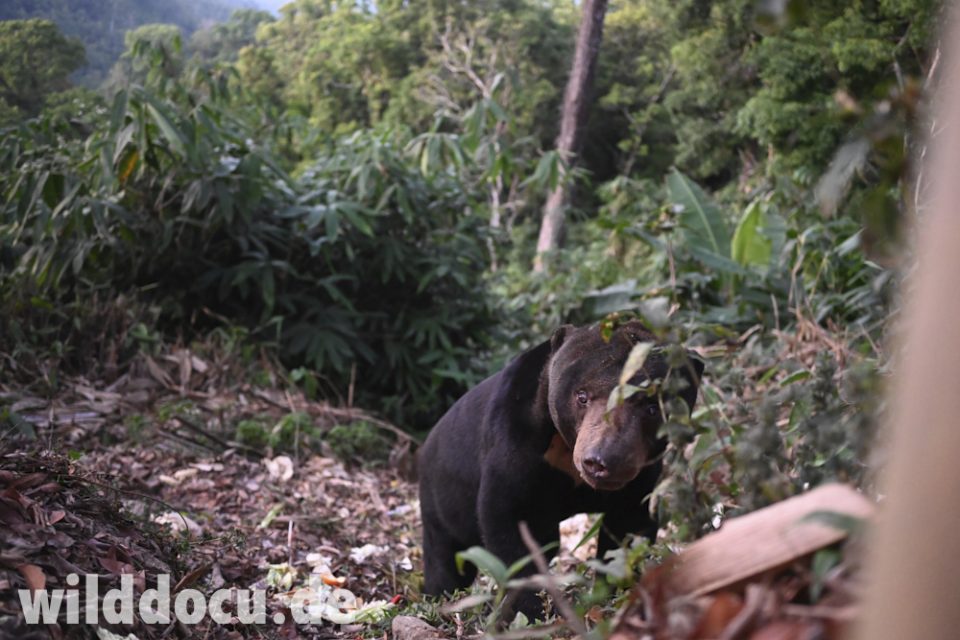
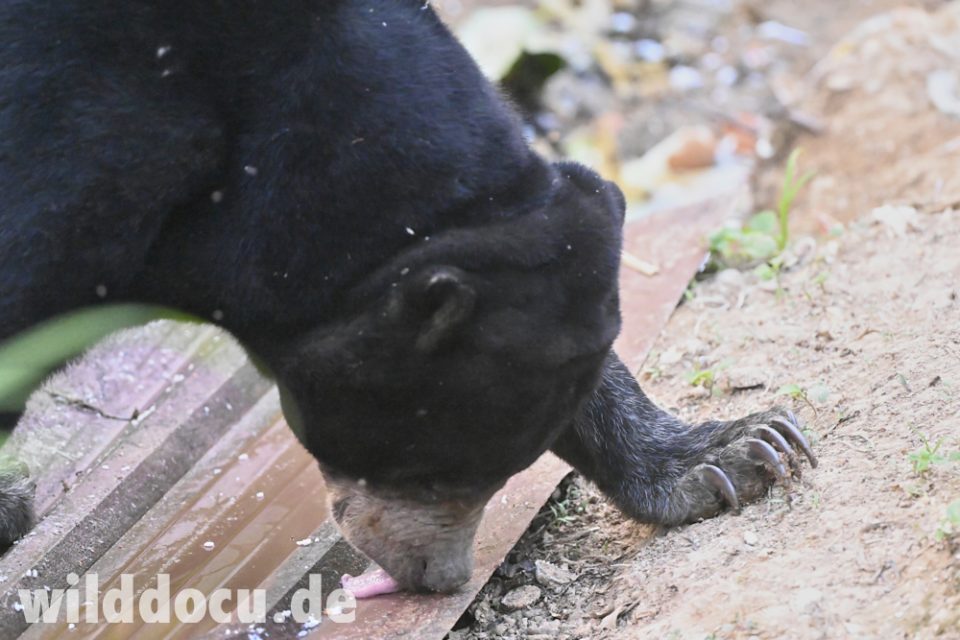
He gives us quite a show: The kitchen, which is an open-air kitchen, doesn’t have a modern sewage system, just a metal trough down which dishwater and food scraps are rinsed. The trough isn’t quite long enough to carry individual grains of rice all the way to the bottom; several remain stuck to the metal. The sun bear may be the smallest of all bears, but at up to 65 kilograms, it’s still a hefty animal. Nevertheless, it doesn’t miss the tiny grains of rice. With the tip of its tongue, it licks them up, one by one.
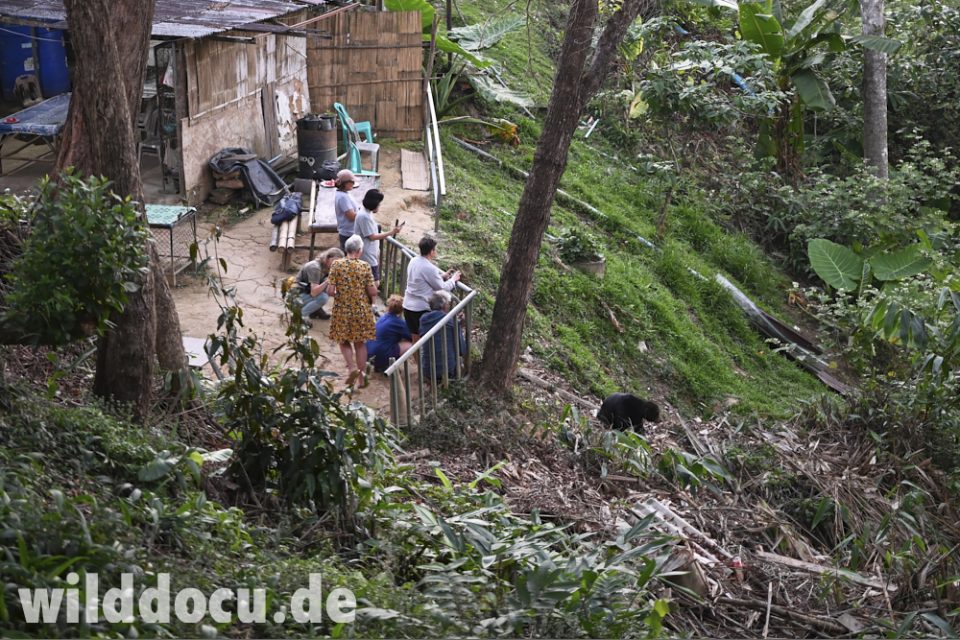
This is a very peaceful scene. More and more guests are now gathering behind the kitchen. There’s a metal fence behind which people line up to take pictures. The bear calmly makes its way up the slope, rummaging through the ground for scraps of food, occasionally raising its head to chew, but seemingly oblivious to the enthusiastic people. There’s a moment when the bear is only two! meters from the front line of observers. Perhaps the bear’s calmness and the fence give the people confidence. Later, after the people have left, the bear simply slips through the fence to look around the kitchen.
Night falls. The visitors are instructed to stay on the campsite. It’s too dangerous outside. Because of the animals. But do the animals even know where the forest begins and the campsite ends? Late at night, there’s a tremendous crash. Shouts can be heard, sounds of surprise and cries for help. The following calls could be from a ranger; they sound as if something is being chased away …
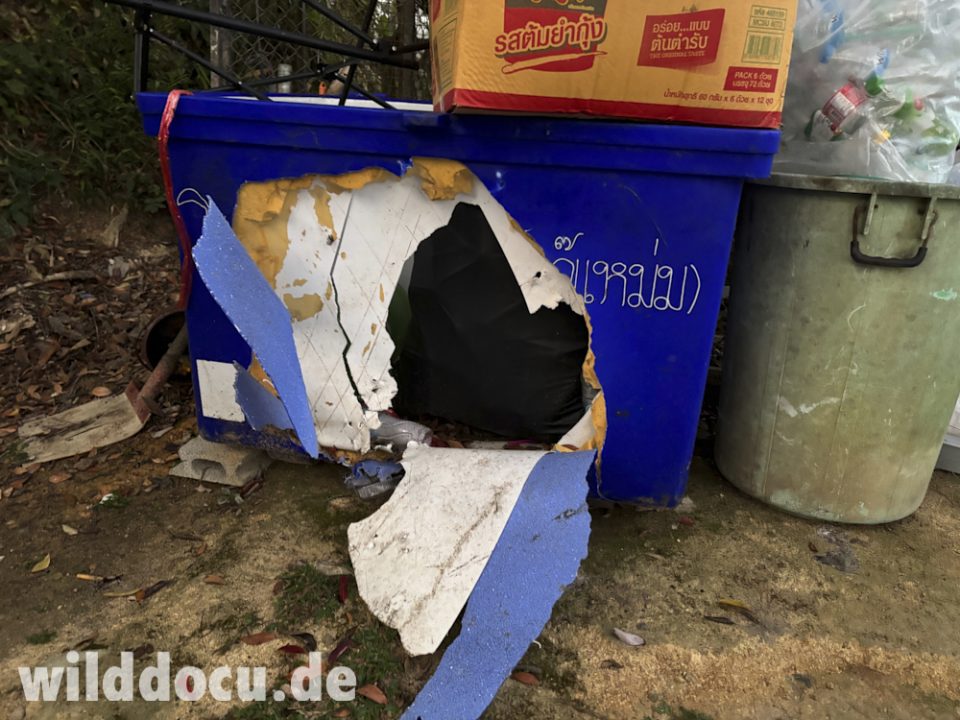
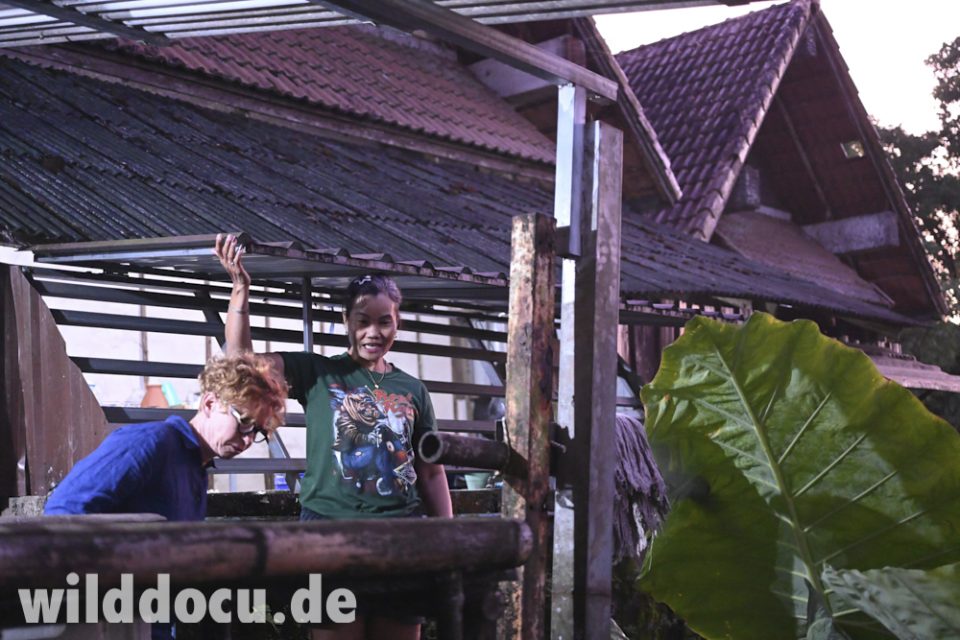
In the morning, we see some of what happened. Unfortunately, I can’t find out who shouted. The bear was apparently in the kitchen and tore a hole so large in a blue box, which serves as a garbage container, that it must have been able to fit through it completely. When we arrive, the kitchen staff are still busy cleaning up the mess. With smiles.
Perhaps that’s part of the local mentality, or maybe a certain economic calculation plays a role. It would probably be relatively easy to dispose of food scraps and other garbage in a bear-friendly way. But the locals know, of course, that visitors come primarily because they can observe the animals they’ve attracted. And many of the visitors will know that the campsites in Kaeng Krachan are currently the only places in the world where sun bears can be observed with any degree of reliability. For now. But that will most probably change.
Schreibe einen Kommentar