Kategorie: Caprinae WorldSeite 1 von 11
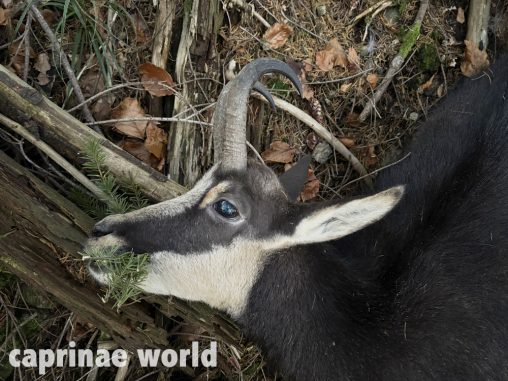
Es gehört zum Jagen dazu, dass man sich Gedanken darüber machen wie die Jagd ablaufen sollte, damit sie ethisch vertretbar und nachhaltig ist. Das trifft auch auf die…
Part of hunting is also thinking about how it can be ethical and sustainable. This also applies to chamois hunting. Here are some key points summarised – which…
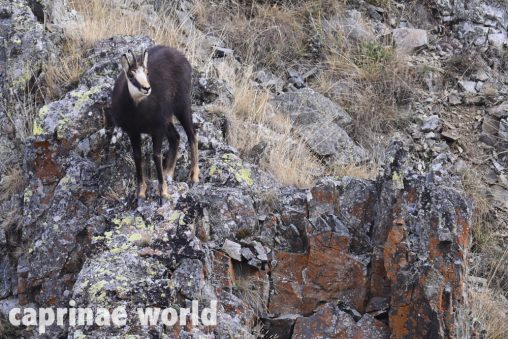
In November 2025, I traveled again to Kacgar Dagi, Türkiye, to get a firsthand impression. There are no longer any problems with poaching and hunting in Kastamonu (Western Pontic…
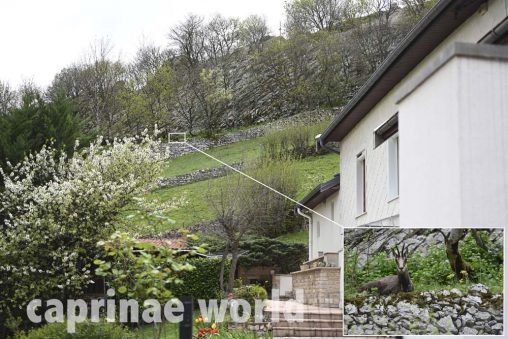
In Besançon, a city in eastern France, chamois can be seen in the middle of the city. During a conference I was attending, I took the time one…
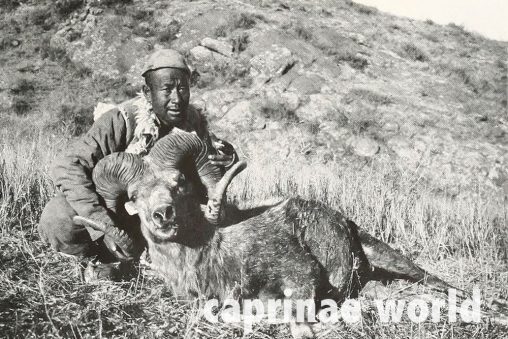
The Northern Chinese Argali or Shansi Argali is an extinct subspecies of Ovis ammon. According to IUCN no records have been identified based on literature reviews, interviews, and field work for several decades.
Mouflons and urials are two groups of old world wild sheep in the genus Ovis. Compared with other sheep, they have much in common: For example they are…
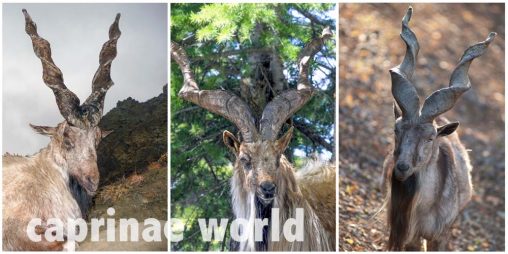
The „king of the goat tribe“ H. L. Haughton called the Markhor in 1913: „His very looks and bearing are regal.“ [7] For Schaller (1977) it is simply…
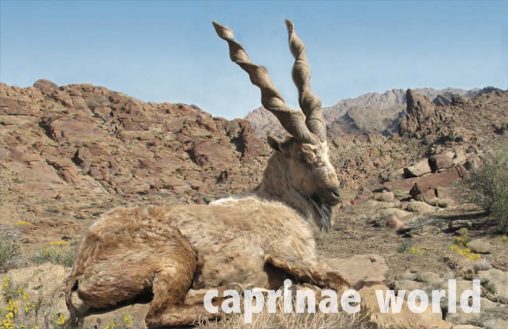
As the name suggests: the distinctive feature of this subspecies is its straight horns. There are two phenotypes: Kabul Markhor and Suleiman Markhor. Both forms are rather small….
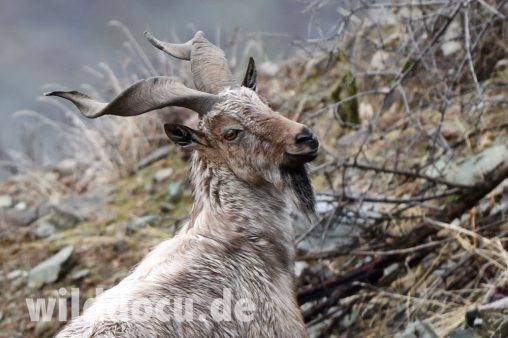
I visited Tajikistan between February 15th and March 2nd 2020. They main purpose of the trip for me was to see Markhor. Of course I was equally excited to observe all other wildlife species –…
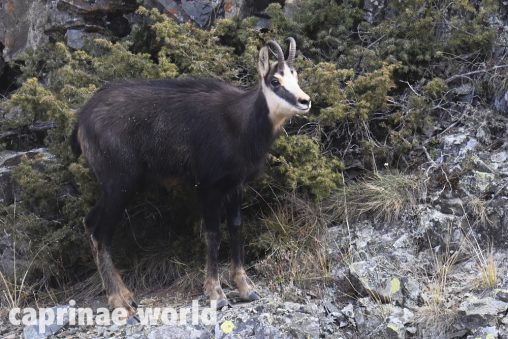
The Anatolian Chamois is a very rarely discussed and documented taxon. Lydekker described it for the first time in 1908. Find below a summary of facts and some…