
Kategorie: Chamois, Northern (Rupicapra rupicapra)Seite 1 von 2
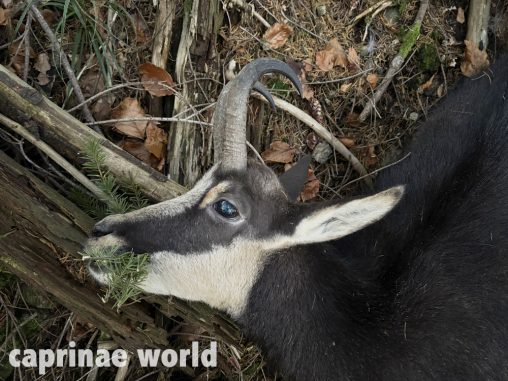
Es gehört zum Jagen dazu, dass man sich Gedanken darüber machen wie die Jagd ablaufen sollte, damit sie ethisch vertretbar und nachhaltig ist. Das trifft auch auf die…
Part of hunting is also thinking about how it can be ethical and sustainable. This also applies to chamois hunting. Here are some key points summarised – which…
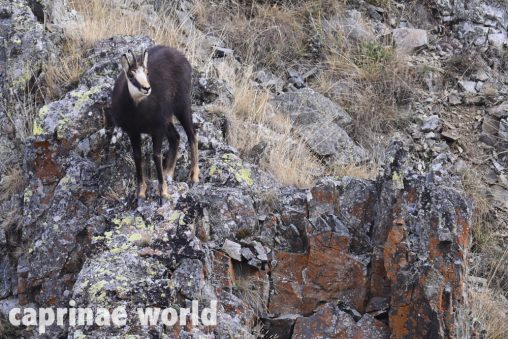
In November 2025, I traveled again to Kacgar Dagi, Türkiye, to get a firsthand impression. There are no longer any problems with poaching and hunting in Kastamonu (Western Pontic…
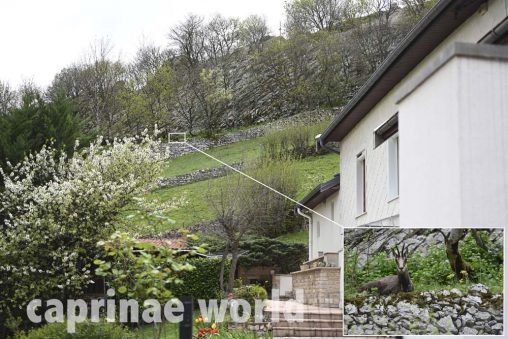
In Besançon, a city in eastern France, chamois can be seen in the middle of the city. During a conference I was attending, I took the time one…
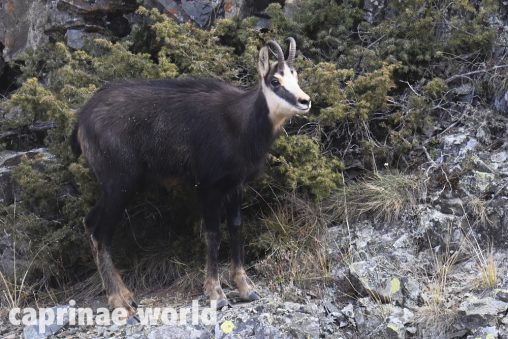
The Anatolian Chamois is a very rarely discussed and documented taxon. Lydekker described it for the first time in 1908. Find below a summary of facts and some…
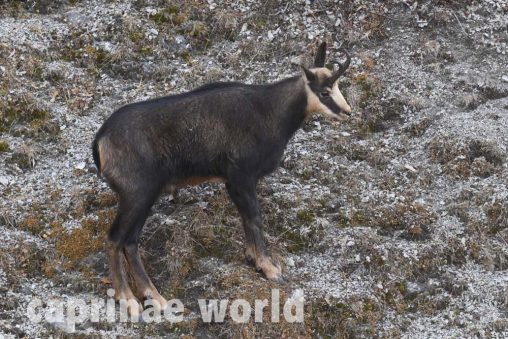
This phenotype is probably not much different from the Alpine Chamois, but does show a few interesting morphological features. Caprinae world is the only place, where these are currently…

The Chartreuse Chamois is seen as a subspecies of the Alpine Chamois. It has a very small and isolated distribution range in the Chartreuse massif at the western edge of the French Alps.

The Balkan Chamois is a subspecies of the Northern Chamois. In the former Yugoslav countries it is slowly recovering from the civil war (1991 to 2001).
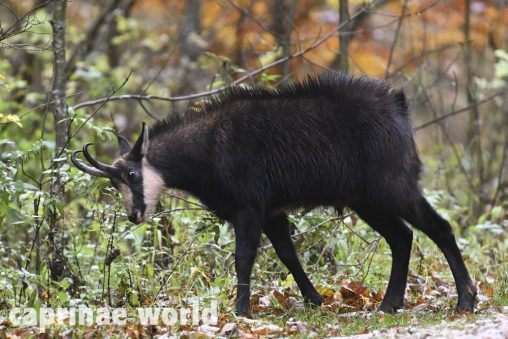

Find listed below a series of Alpine Chamois photos that show special physical features and behaviour patterns.