Kategorie: Caprinae WorldSeite 9 von 11
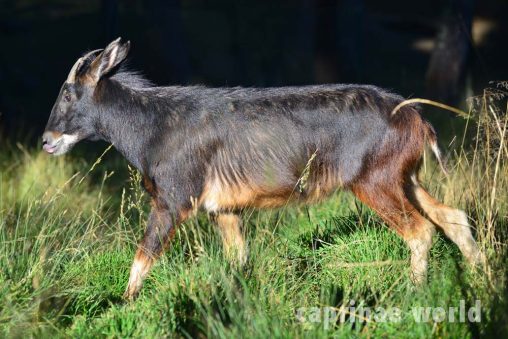
The Himalayan Serow’s most prominent feature is its trichromatism, being reminiscent of the old Berlin flag: black-red-white – overall blackish above; turning to rusty red on flanks, hindquarters,…
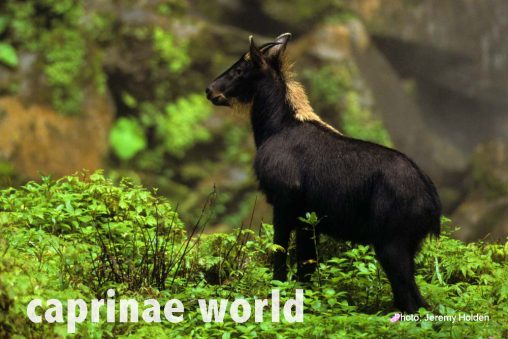
Being almost entirely black, the Sumatran Serow is easy to recognize. It is medium-sized compared to other Capricornis-species and the only Caprinae member that has its range solely within…
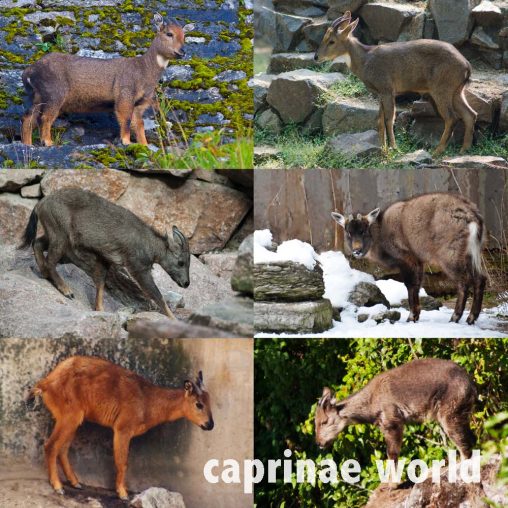
Gorals are small caprinae species with a goat- or antelope-like appearance occurring in South Asia and Far East. The number of species is still not clear. Six possible species…
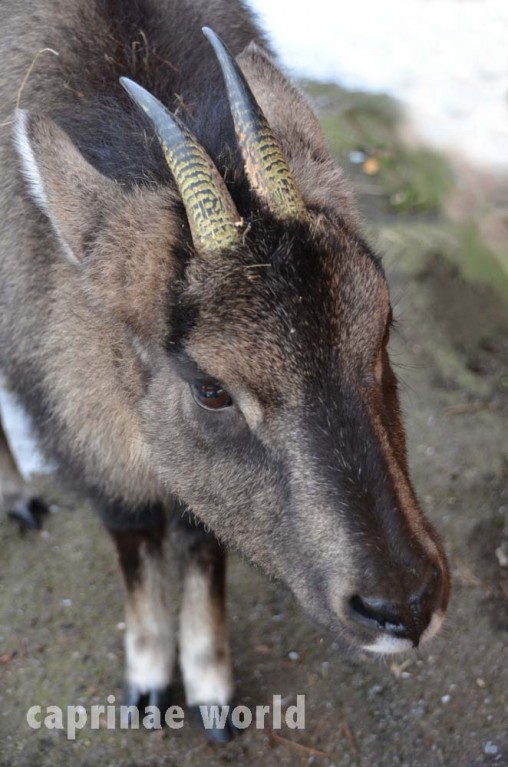
The horns of goral males and females are in general very similar. But there are ways to tell both sexes by their horns apart.
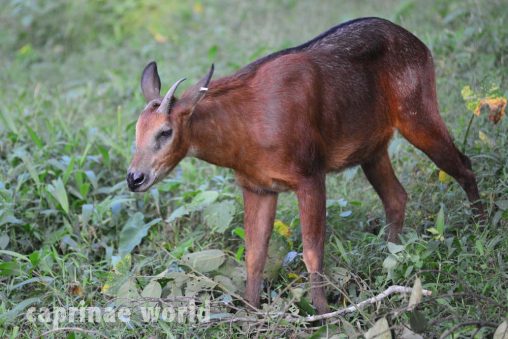
The Red Serow is almost a mythical animal. Very little is known. And it is definititly a candidate for a possible taxonomic split in the future.
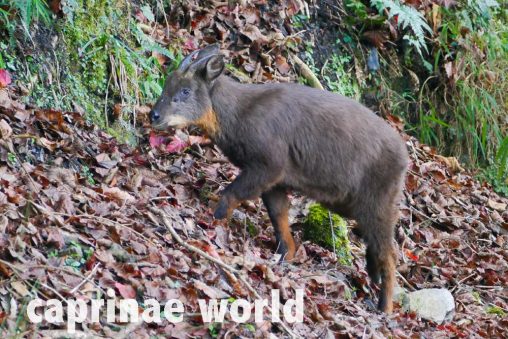
The Taiwan serow is the smallest member of the genus Capricornis and an endemite of the main island of Taiwan.
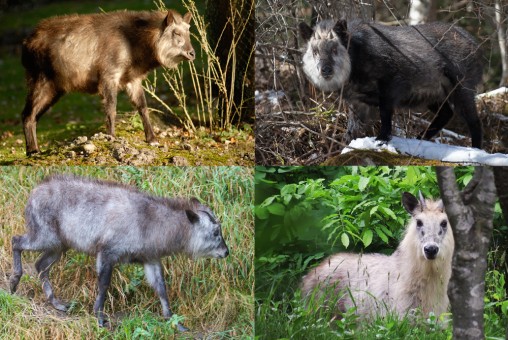
The Japanese Serow is maybe the most noted serow species. It occurs in good numbers in its natural range and is the only serow that is well represented…
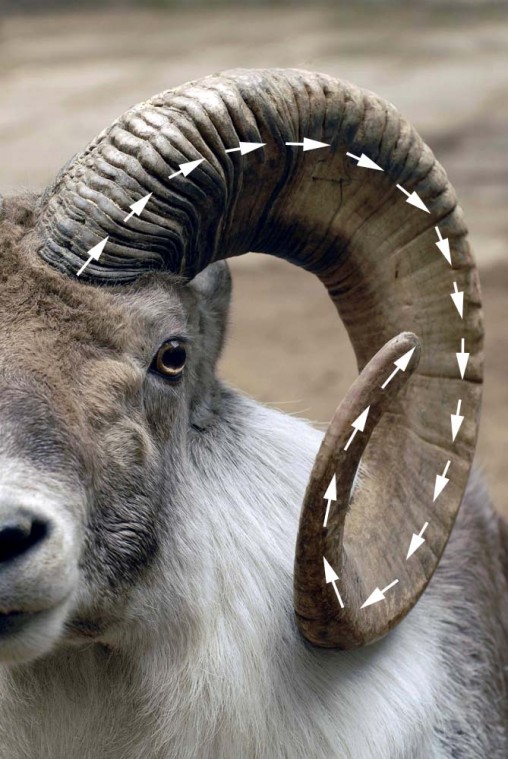
In wild sheep and goats horns are often the most striking features. The following nomenclature can help to look closely at them, weather you want to identify species or…
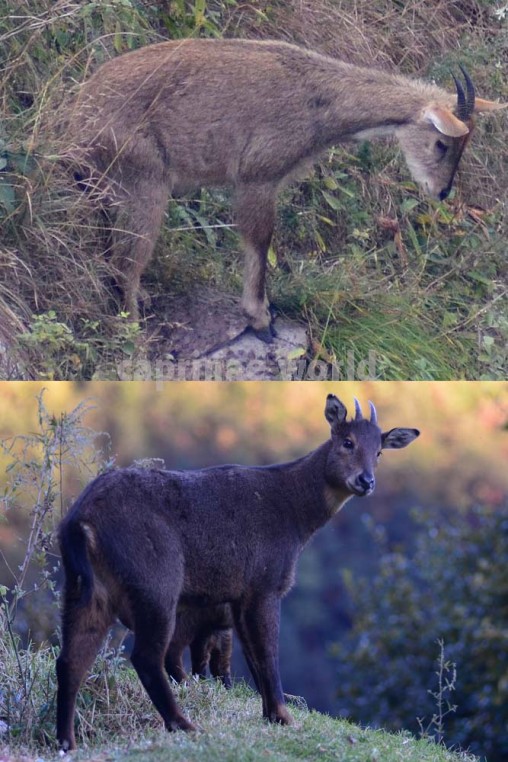
The „Himalayan goral“ is actually two species which inhabit almost the entire west-to-east extension of the Himalayas. They occur as a westerly and an easterly form.
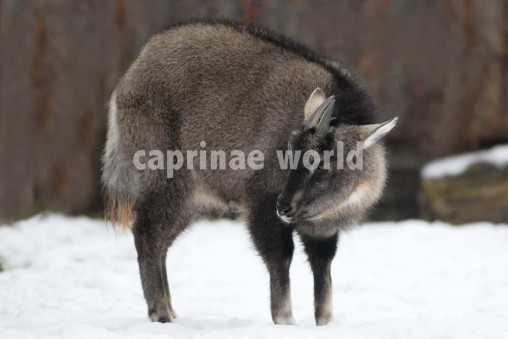
The Long-tailed Goral is the most northerly occuring goral, it is characterized by its long hair, especially on the tail.